


Emergency Care Support by Caregivers at Home
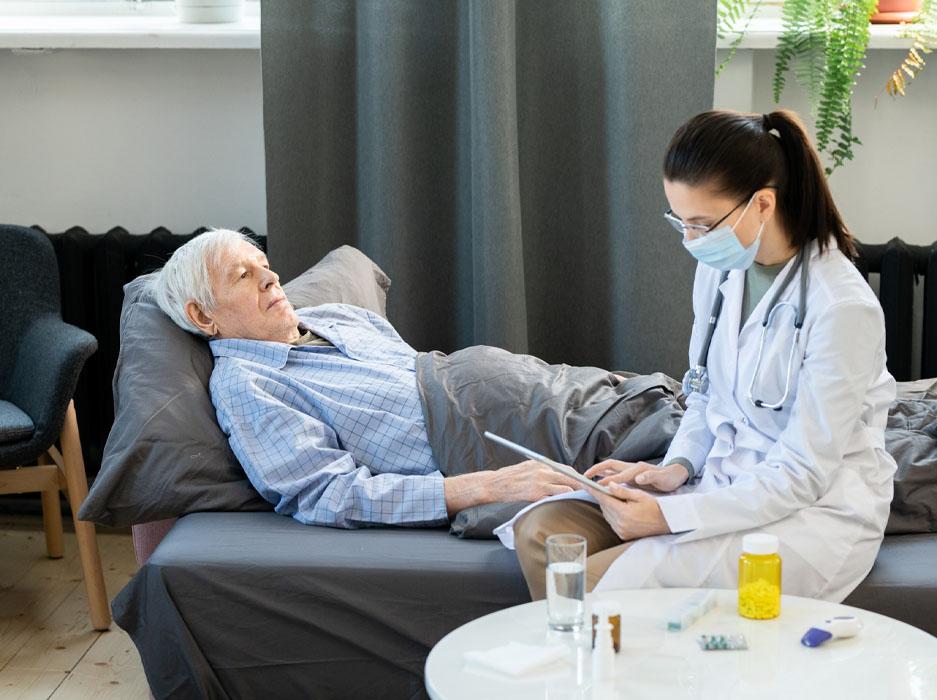
In recent years, the demand for personalized healthcare has significantly increased, especially in fast-paced urban environments. Families are now turning toward Caregivers at home in Dubai to ensure immediate and reliable assistance during medical emergencies. This shift is driven by the need for comfort, rapid response, and continuity of care without the stress of hospital visits. Services like Doctor at Home have also contributed to this trend by bringing professional medical attention directly to patients’ residences, ensuring that emergency support begins the moment it is needed.
Understanding Emergency Care at Home:
Emergency care at home refers to immediate medical or supportive assistance provided to individuals facing sudden health issues, ranging from injuries to acute illnesses, within the comfort of their own environment. This model prioritizes rapid response, minimizes delays associated with hospital admissions, and ensures patients receive timely attention from trained caregivers who can stabilize situations, monitor vital signs, and coordinate further medical intervention if required.
Role of Caregivers in Emergency Situations:
Caregivers play a critical role in handling emergencies effectively by acting as the first line of response before professional medical teams arrive or while coordinating with them. They are trained to assess situations quickly, provide basic life support, administer prescribed medications, and maintain patient calmness. Their presence ensures that patients are not alone during distressing moments, which can significantly improve outcomes and reduce anxiety for both patients and their families.
Key Services Provided During Emergencies:
Caregivers offer a wide range of essential services that ensure patient safety and stability during urgent situations. These services are designed to address both medical and non-medical needs efficiently:
- Monitoring vital signs such as heart rate, blood pressure, and oxygen levels
- Administering first aid and prescribed emergency medications
- Assisting with mobility to prevent further injury
- Coordinating with emergency medical services when escalation is needed
- Providing emotional reassurance to patients and family members
Benefits of Home-Based Emergency Care:
Home-based emergency care offers numerous advantages that make it an increasingly preferred choice for families seeking immediate assistance without compromising comfort. Patients benefit from receiving care in a familiar setting, which reduces stress and promotes faster recovery. Additionally, it eliminates long waiting times in emergency rooms and allows for personalized attention, ensuring that each patient’s unique medical needs are addressed promptly and effectively.
When to Consider Emergency Care at Home:
There are several scenarios where opting for emergency care at home becomes highly beneficial, especially when quick intervention can prevent complications. Situations such as sudden fever spikes, minor injuries, post-surgical complications, or chronic illness flare-ups can often be managed effectively at home with the help of skilled caregivers. This approach is particularly useful for elderly patients or individuals with limited mobility who may find hospital visits challenging.
Integration with Professional Medical Services:
One of the key strengths of home emergency care is its seamless integration with professional healthcare services. Caregivers often work in coordination with licensed doctors, nurses, and telemedicine platforms to ensure comprehensive support. When necessary, they can facilitate consultations, arrange diagnostic tests, or escalate cases to hospitals, ensuring that patients receive continuous and well-coordinated care without unnecessary delays.
Qualities of an Effective Emergency Caregiver:
The effectiveness of emergency care largely depends on the skills and qualities of the caregiver providing support. A competent caregiver must possess strong observational skills, quick decision-making abilities, and a calm demeanor under pressure. Additionally, proper training in first aid and emergency response protocols ensures that they can handle critical situations efficiently while maintaining patient safety and dignity at all times.
Challenges in Delivering Emergency Care at Home:
While home-based emergency care offers numerous benefits, it also comes with certain challenges that must be addressed to ensure optimal outcomes. Limited access to advanced medical equipment, dependence on timely coordination with external healthcare providers, and varying levels of caregiver expertise can impact the effectiveness of care. However, continuous training, technological advancements, and improved communication systems are helping overcome these limitations.
The Growing Demand for Home Care Services in Dubai:
Dubai’s rapidly evolving healthcare landscape has contributed to a significant rise in the demand for home care services. Busy lifestyles, an aging population, and a preference for personalized care have all played a role in this shift. Families are increasingly recognizing the value of having trained caregivers available at home who can respond promptly to emergencies and provide ongoing support, ensuring peace of mind and better health outcomes.
Final Thoughts:
Emergency care support at home is transforming the way individuals and families approach urgent medical situations by combining convenience, speed, and personalized attention. With the growing reliance on trained caregivers, patients can receive immediate assistance in a familiar environment, reducing stress and improving recovery experiences. As healthcare continues to evolve, home-based emergency care will remain a vital component in delivering accessible and effective support when it matters most.

 English
 Arabic
 French
 Portuguese
 Deutsch
 Turkish
 Dutch
Dutch
 Italiano
 Russian
 Romaian
 Portuguese (Brazil)
 Greek
Greek
